
ENVY GOES TO COURT – THE ALLEGATIONS
Introduction:
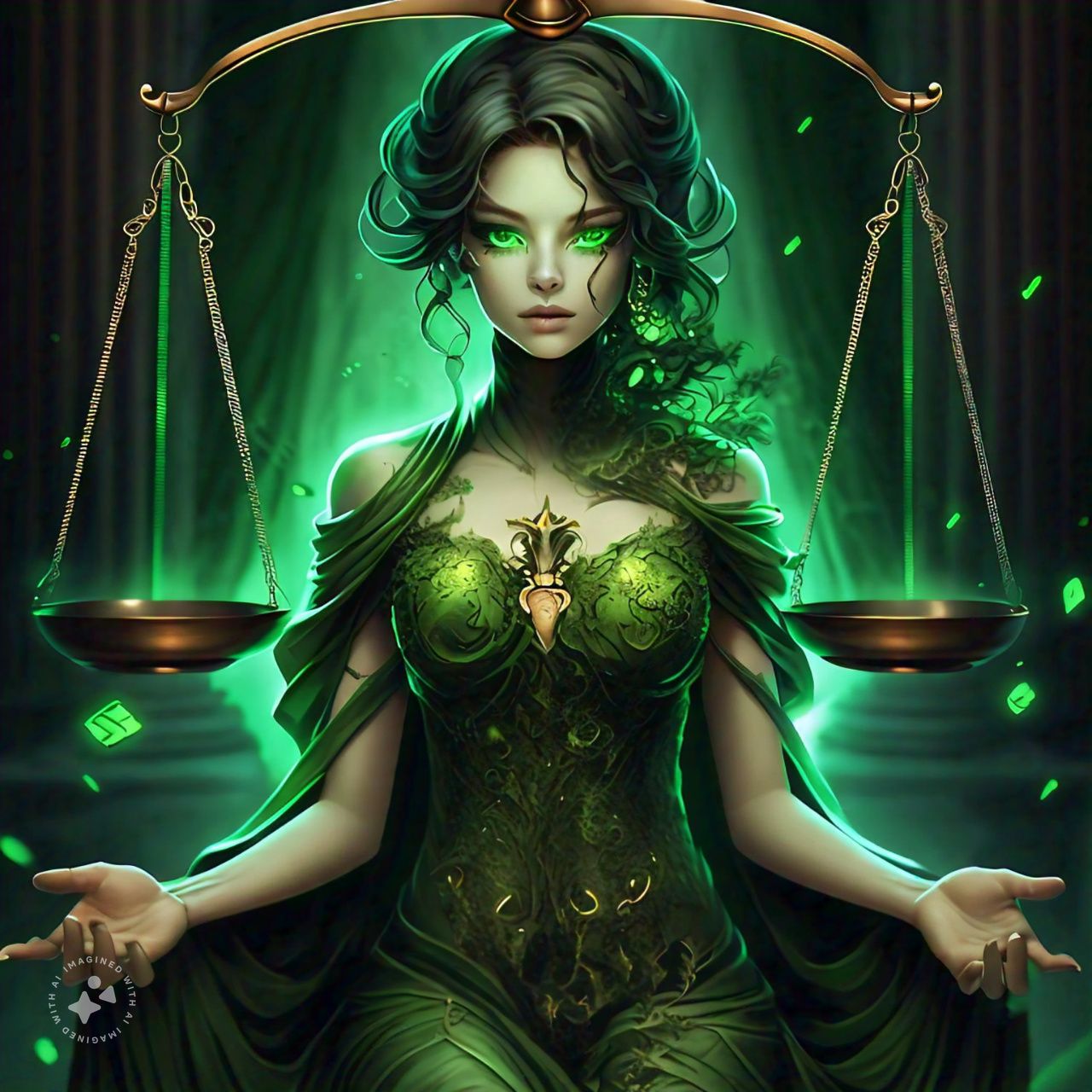
In the esteemed Court of Personal Growth, a landmark trial is about to commence. The defendant, the green-eyed monster (Envy and jealousy), stands accused of perpetuating harm to individuals and communities. The prosecution, led by Prosecutor-Clergy, will present evidence and testimony to demonstrate the defendant’s culpability. The honorable Judge Wisdom presides over the trial, tasked with rendering a verdict that will have far-reaching implications for the well-being and spiritual journeys of all individuals.

Prosecutor and Defense Lawyer brief the court on the case
Prosecutor’s Opening Statement:
“Your Honor, esteemed members of the jury, today we gather to address a pervasive and insidious force that has plagued humanity for centuries. The green-eyed monster, masquerading as a motivator, has in fact been a corrosive influence, sowing discord, fostering comparison, and undermining our connection to our true selves and our faith. Through testimony and evidence, we will demonstrate how the defendant’s influence has led to a culture of competition, consumption, and discontent. We will show how the green-eyed monster’s whispers have filled minds with doubt, fear, and anxiety, distracting us from our spiritual paths and our inherent worth. It is time to hold the green-eyed monster accountable for its destructive actions and to reclaim our lives, our relationships, and our faith.”
Defense Lawyer’s Opening Statement:
“Ladies and gentlemen of the jury, esteemed members of the court, today we gather to discuss a most maligned and misunderstood emotion: Envy. Yes, Envy, that green-eyed monster that supposedly drives us to madness and despair. But, I ask you, is Envy truly the villain we make it out to be? Is it not Envy that drives us to strive for greatness? To push beyond our limits and achieve what we never thought possible? Envy is not the enemy, but a powerful force that can fuel our creativity, innovation, and progress. Through the testimony of experts and the presentation of evidence, we will demonstrate that Envy is not only a natural but also a necessary component of human nature. We will show that the green-eyed monster is not a destructive force, but a catalyst for growth, improvement, and excellence.”
Prosecutor Calls the Complainants and Witnesses to Testify Against Envy
COMPLAINANT 1
The witness, a shadow of his former self, shambled into the courtroom, looking like a cross between a deflated soufflé and a crumpled up candy wrapper. His eyes, once bright and full of life, now resembled two burnt-out sparklers, dimly flickering with a faint glow of resentment. His skin had the pallor of a moldy cookie, and his slumped posture screamed, “I’ve been crushed by the weight of my own inadequacy!” He shuffled to the stand, his feet dragging like a pair of exhausted sloths, leaving a trail of invisible bitter tears and shattered dreams in his wake. The jury stifled giggles as he adjusted his rumpled suit, which seemed to be held together by threads of jealousy and regret. It was as if Envy had put him through a spin cycle, leaving him a tangled, frayed, and utterly ridiculous mess.
Witness: “I was consumed by Envy and jealousy. I couldn’t stand seeing my neighbors succeed and have nice things. I felt like they were somehow better than me, and it drove me crazy.”
Prosecutor: “And how did this Envy affect your behavior?”
Witness: “I started competing with my neighbors in every way possible. I tried to outdo them in everything, from my career to my possessions. I even started sabotaging their efforts and trying to bring them down.”
Prosecutor: “And what about the incident with their dog?”
Witness: “Oh, that was just a mistake. I didn’t mean to hurt their dog, but I was so caught up in my own Envy and competitiveness that I wasn’t thinking clearly.”
Prosecutor: “And now, you’re exhausted, stressed, and broke. Your relationships with your neighbors are ruined, and you’re left with nothing but regret. All because of the green-eyed monster’s influence.”
Witness: “Yes, that’s right. Envy ruined my life. If only I hadn’t let it consume me, I’d be happy and successful like my neighbors.”
The prosecutor turns to the jury, “You see, ladies and gentlemen, the green-eyed monster’s influence is clear. Envy is the root of all this destruction, and we must hold it accountable and cancel it.
Defense Lawyer: “Witness, you testified that Envy consumed you and led to harmful behavior. But isn’t it true that your own fears and insecurities drove you to compare yourself to others and compete in areas beyond your strengths?”
Witness: “I…I don’t know. I just felt like I was falling behind.”
Defense Lawyer: “Falling behind? Isn’t that just a euphemism for your fear of being left out? Your fear of others’ success? You lacked originality and authenticity, and instead of finding your own path, you tried to keep up with others.”
Witness: “I…I guess so.”
Defense Lawyer: “And didn’t this fear lead you to sabotage others and engage in harmful behavior? Behavior that ultimately led to your own downfall?”
Witness: “I…I wasn’t thinking clearly.”
Defense Lawyer: “Exactly! You weren’t thinking clearly because you were driven by your own fears and insecurities. You didn’t take the time to reflect and improve yourself. You were too ambitious, too impulsive, and too focused on keeping up with others. Envy was just a convenient excuse.”
The defense lawyer turns to the jury, “Ladies and gentlemen, the witness’s testimony reveals a pattern of behavior driven by fear, insecurity, and a lack of self-awareness. Envy may have played a role, but it was not the sole cause of his problems. The witness’s own choices and actions led to his downfall.”
COMPLAINANT 2
The prosecutor calls another witness, a woman who appears to have undergone significant cosmetic procedures to enhance her physical appearance. Despite her talents and abilities, she felt underrecognized and overshadowed by her colleagues, leading to intense jealousy and Envy. She began spreading rumors, being passively aggressive, and undermining her former colleague’s success.
Prosecutor: “Witness, can you describe how you felt when you saw your colleague’s success?”
Witness: “I felt inadequate, like I wasn’t good enough. I thought, ‘If only I had that, I’d be happy.’ I became obsessed with leveling the playing field.”
Prosecutor: “And how did you attempt to level the playing field?”
Witness: “I spread rumors, was passive-aggressive, and tried to undermine their success. I was desperate to bring them down.”
Prosecutor: “And why did you feel the need to do this?”
Witness: “Because I believed that their success was a reflection of my own inadequacy. I thought that if I could just bring them down, I would feel better about myself.”
Prosecutor: “Ladies and gentlemen of the jury, look at this poor woman. She has been a victim of Envy, and it has cost her her job and her self-worth. See, she is crying now, but because of all the plastic surgery Envy driven her to undergo, we can barely tell that she is crying. Look at her humongous boobs, what a heavy load to carry, both physically and emotionally. All because Envy made her want a bigger pair, a futile attempt to fill the void within. Let this be a lesson to us all, Envy is a destructive force that must be held accountable. We cannot let it go free, or it will continue to consume us, body and soul.”
The jury stares at the woman, unsure whether to laugh or cry with her. Some of them look away, uncomfortable with the spectacle, while others gaze in a mix of pity and bewilderment. The woman’s overdone features and exaggerated appearance seem to embody the absurdity and tragedy of Envy’s grip. The prosecutor’s words hang in the air, as the jury struggles to reconcile the woman’s plight with the absurdity of her appearance.
The defense lawyer, however, sees an opportunity to highlight the witness’s own hypocrisy and lack of self-awareness.
Defense Lawyer: “Witness, isn’t it true that you’ve undergone significant cosmetic procedures to enhance your physical appearance? Didn’t you try to ‘level the playing field’ by changing your body to compete with others?”
Witness: “Uh, well…I just wanted to feel more confident, because Envy made me feel less confident.
Defense Lawyer: “Confident? Or did you want to feel more like someone else? Didn’t you try to kill the ideal by changing yourself to fit someone else’s standard?”
Defense Lawyer: “Ladies and gentlemen of the jury, I’d like to present this exhibit as evidence. This is a picture of the witness before she underwent all the plastic surgery driven by Envy. As you can see, she was a stunningly beautiful woman, with a radiant smile and sparkling eyes. She didn’t need larger breasts to be beautiful, but Envy convinced her otherwise. This picture shows that true beauty comes from within, and that Envy’s destructive power can lead us to destroy the very things that make us unique and valuable.”
The jury gazes at the picture, and some of them can’t help but gasp in surprise. The woman’s natural beauty is undeniable, and it’s clear that she didn’t need to resort to extreme measures to be stunning. The defense lawyer’s point is made: Envy’s grip can lead us to destroy our own natural beauty and uniqueness.
Prosecutor: “Objection, Your Honor! This is irrelevant to the case at hand!”
Judge: “Overruled. The defense has made a valid point. The jury may consider this evidence.”
The jury’s eyes dart back and forth between the picture and the woman’s current appearance, and some of them nod in understanding. The defense lawyer’s strategy has planted a seed of doubt in their minds: is Envy truly the sole culprit, or did the woman’s own insecurities and lack of self-awareness play a role in her downfall?
EXPERT WITNESS
Prosecutor: “Dr. Lee, can you explain how Envy drove the defendant’s harmful behavior?”
Dr. Lee: “Yes, Envy triggered the fight response, leading to aggression and sabotage. The defendant’s excessive focus on competition and desire to surpass others led to harmful actions.”
Defense Lawyer: “But, Dr. Lee, isn’t it possible that the defendant was simply acting on instinct, without any malicious intent? Envy is a natural human emotion, after all.”
Dr. Lee: “While Envy is a natural emotion, it can still lead to harmful behavior if not managed. The defendant’s actions were not simply instinctual, but rather a result of a deeper psychological issue stemming from Envy.”
Defense Lawyer: “I still think you’re stretching it, trying to make my client the culprit.”
Dr. Lee: “I understand your perspective, but the evidence suggests that Envy played a significant role in the defendant’s behavior. It’s important to acknowledge and address this issue to prevent similar harm in the future.”
Defense Lawyer: “Dr. Lee, isn’t it true that comparing ourselves to others is a natural and instinctual behavior? shouldn’t we then blame the underlying psychological issue, rather than the Envy that triggered it? As a psychologist, wouldn’t you say the victim should have sought therapy to address these issues, rather than blaming Envy? Why blame Envy, a natural emotion, for the defendant’s harmful behavior?”
Dr. Lee: “Well… uh… (pauses, floundering for words)…
Defense Lawyer: “Exactly, Dr. Lee. You can’t blame Envy for the defendant’s actions. The victim should have sought help for their own psychological issues, rather than pointing fingers at someone else’s natural emotions. I rest my case.”
(The defense lawyer confidently sits down, leaving Dr. Lee looking flustered and uncertain)
Prosecutor: (jumping up) “Objection, Your Honor! The defense is twisting the expert’s words and avoiding the issue at hand!”
Judge: “Sustained. The jury will disregard the defense’s last statement. Dr. Lee, please continue with your testimony.”
Dr. Lee: (nervously) “Ah, yes… as I was saying… Envy may be a natural emotion, but it can still lead to harmful behavior if not managed… (stammers)…
Defense Lawyer: (smirking) “I think we’ve heard enough, Dr. Lee. The jury can see the flaws in the prosecution’s argument.”