

The Trickster Shrink in Afterlife: A Jungian Analysis of the Unorthodox Therapist
By Kemi Amusan
The Shrink as Trickster
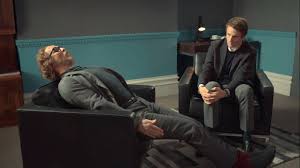
Meet Tony and Matt’s unorthodox shrink in Afterlife. (played by Paul Kayes) A Trickster archetype with a penchant for pushing boundaries and a few unresolved issues of his own. This trickster of a therapist blurs the lines of professionalism, dishing out secrets and stories from his other patients’ sessions in a local watering hole, all while dispensing wisdom and offering sage advice, along the lines of, “Be something fucking better. Be something fucking stronger. Lie, cheat. Be a man.”
A New Perspective

Say what you will about the therapist, there is no denying that by holding space for Tony and Matt to confront their tightly-held beliefs and patterns, the shrink allowed them explore and ultimately challenge their convictions, and confront their hypocrisies and the flaws in the systems we hold sacred.
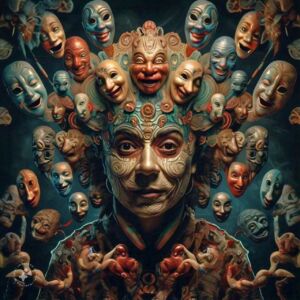
With mischievous glee, the trickster exposes our pretensions, pomposity, and the cracks in our carefully constructed facades, and compels us to dance with the uncertainties of life through which he humbles us, revealing our shame and forcing us to surrender our defenses, rigidity, and fear of failure. He uses the foolish and weak things of the world to confound our wisdom and strength, inviting us to approach with an open heart and playful humor.

In vocalizing our innermost thoughts with audacity, the trickster invites us to:
– Embrace humor and playfulness, letting go of self-importance
– Look beyond the surface and embrace unconventional wisdom
– Confront our own darker impulses, like taking pleasure in others’ misfortunes
– Meet our inner rebel, who longs to break free from constraints and challenge the status quo
– Question established truths and challenge authority

Embracing our inner trickster allows us to tap into our creative, playful, and adaptable nature, making us less prone to humiliations and mishaps. By embracing chaos and uncertainty, we can birth a dancing star, and become something stronger, something better.
Like the curious child who asks inconvenient questions, like ‘Why didn’t God forgive Satan?’ – a query that may have left your Sunday school teacher aghast. The trickster’s spirit encourages us to retain that childlike curiosity and challenge the norms, even if it means facing the discomfort of uncertainty.

Blessed are those who embrace their inner trickster, for they shall be immune to the charms of external frauds and deceivers. But woe to those who suppress their trickster nature, for they shall suffer a multitude of humiliations and mishaps. They shall experience:
– Unfortunate timing, like desperate searches for bathrooms
– Public embarrassment, like wigs blown off in the street
– Memory lapses, forgetting crucial details like their boss’s name
– Wardrobe malfunctions, like shoe straps snapping on a date
– Verbal gaffes, like Freudian slips in important meetings
– Public speaking disasters, like losing their train of thought on a TEDx stage
– And, on their worst days, running into an ex who’s moved on and having a great time with someone new.